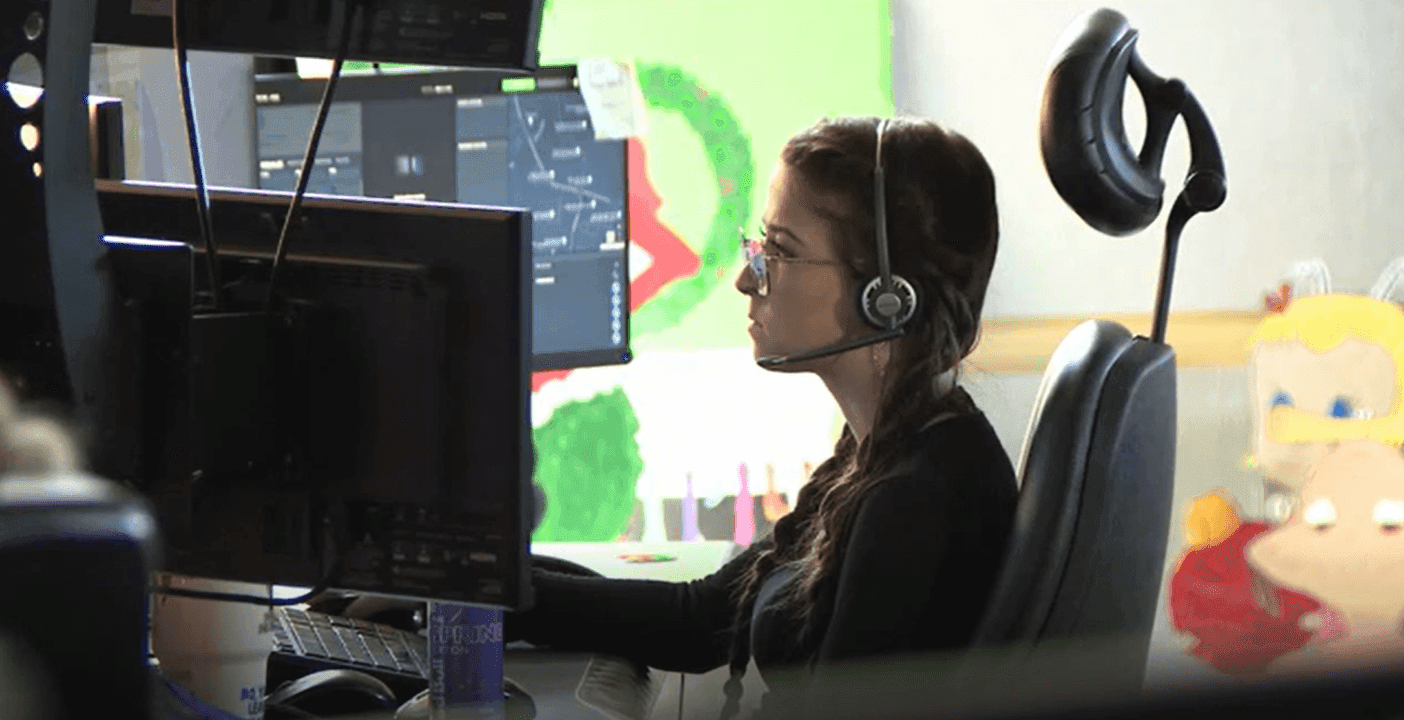
CHARLESTON COUNTY, S.C. (WCIV) — Charleston County 911 is improving how they respond to emergencies through new software, launched last week. Now, dispatchers are sharing their thoughts on the technology and how it is changing their every day.
“We tell everybody, some of the stuff that we hear, we can’t make it up but hey, we gotta still help the citizen,” said Patriese Williams. “First line of communication. So it is us.”
Williams is one of the many voices you may hear on the other end of the phone during an emergency.

For the past five years, she’s served as a 911 dispatcher, doing her part to help people in a crisis.
Now she’s able to serve in a more effective way, thanks to new updates at the Charleston County Consolidated Emergency Communications Center.
“It’s much more high tech,” stated 911 Deputy Director, Allyson Burrell.
According to her, these upgrades are about a year and a half in the making and some of the new features include voice to text, translation, and location services.
“Not only will we be able to transcribe, translate the information, we will be able to receive their pictures or images, their video. So perhaps if there is a structure fire occurring and they want to send us a video of what is happening, that we can receive that and then we can share that with the responders. The call takers also have the ability to blur out that information. So if it’s a traumatic scene and they don’t want to see what exactly is happening, we can still receive that and just pass that onto the responders,” said Burrell
The software will also soon offer another interesting feature.
“We have the ability coming very soon down the pike to have call triage. So if there is a traffic accident with injuries that occurs and we receive a lot of calls for that, that particular call will tell additional callers or the system will tell additional callers that we have already received that call.”
This feature also aims to allow the county to reduce some of their other tools since everything is now consolidated into one platform.
“For example, if a caller contacts us and they might not know their location, we have the ability to send them a link that they can click on in their phone and now we will know their location.”
Dispatchers regard this update as one that will help both citizen callers and first responders work more effectively.
“We are that voice that they hear in the dark. It is very important that we have the tools that we need in order to serve the community and our responders effectively,” Burrell said. “We are the ones that are here to be that first point of contact. So we are the first first responders in the public safety field.”
As for the future, Burrell said the center is always changing and they consider themselves to be early adopters of new technology.